
IPL vs. LLLT for Dry Eye: How Advanced Treatments Help Restore Eye Comfort
Dry, burning, irritated eyes can make reading, working on a computer, driving, and wearing contact lenses uncomfortable. While artificial tears may provide temporary relief, persistent dry eye often requires treatment that addresses factors contributing to poor tear quality and inflammation.
At Vision Concepts, we offer advanced dry eye treatments in Springfield, TN, including intense pulsed light (IPL) and low-level light therapy (LLLT). Both are non-invasive options designed to improve eye comfort, but they work in different ways.
Why Dry Eye May Require More Than Eye Drops
A healthy tear film contains an oily layer produced by the meibomian glands along the eyelids. This oil helps prevent tears from evaporating too quickly. When the glands become inflamed or do not function properly, patients may experience evaporative dry eye.
Common symptoms can include:
- Burning, stinging, or irritated eyes
- Redness or a gritty sensation
- Excessive watering
- Fluctuating or blurry vision
- Sensitivity to light
- Discomfort during prolonged screen use
- Difficulty comfortably wearing contact lenses
Identifying what is causing dry eye symptoms helps us determine whether IPL, LLLT, or another treatment may be appropriate.
How IPL Helps Treat Dry Eye
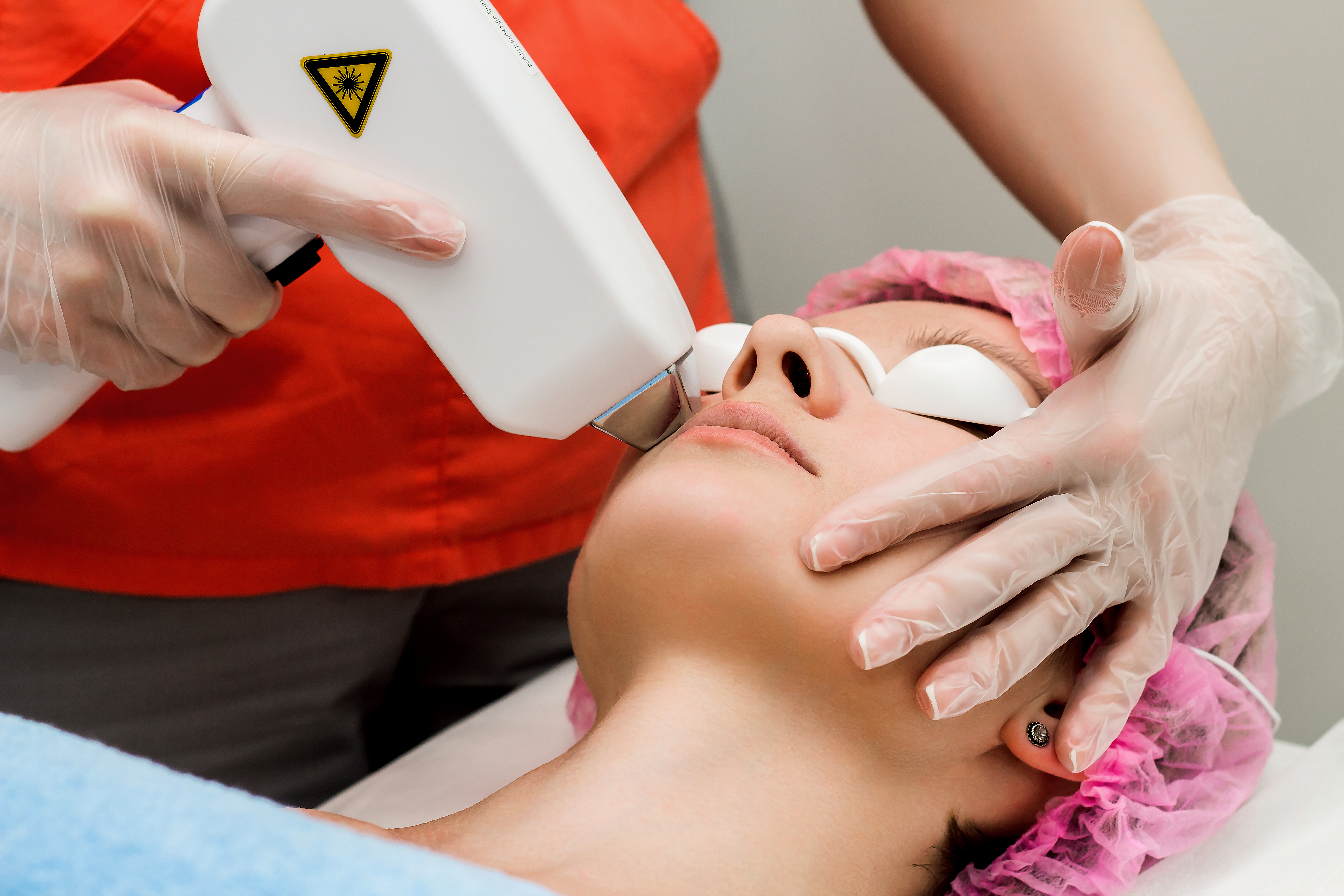
IPL, or intense pulsed light therapy, delivers controlled pulses of light to the skin around the eyes. The treatment is designed to reduce inflammation associated with dry eye and address abnormal blood vessels that can contribute to the inflammatory cycle.
IPL can also support healthier meibomian gland function. When these glands produce a healthier oil layer, tears may remain on the surface of the eyes longer instead of evaporating too quickly.
IPL dry eye treatment is typically performed as a series of sessions. The number of treatments needed can vary based on the severity and underlying causes of each patient's condition.
How LLLT Supports Eye Comfort
Low-level light therapy uses gentle light energy rather than intense pulses. LLLT is designed to reduce inflammation while supporting cellular activity and tissue recovery around the eyelids and meibomian glands.
Because LLLT is non-invasive and gentle, it can be incorporated into a customized dry eye management plan for patients experiencing dryness, redness, irritation, or problems related to meibomian gland function.
IPL vs. LLLT - Which Treatment Is Right for You?
IPL and LLLT are not interchangeable treatments. IPL may be particularly helpful when inflammation and abnormal blood vessels are contributing to dry eye, while LLLT uses light-based therapy to support gland function and cellular rejuvenation.
Some patients may benefit from one approach, while others may require a combination of treatments. Dry eye management can also include options such as punctal plugs, NuLids eyelid hygiene, or amniotic membrane therapies when appropriate.
Start With a Personalized Dry Eye Evaluation
Dry eye can have several underlying causes, which is why treatment should begin with an evaluation rather than relying on symptoms alone. We can assess your eye surface, tear film, eyelids, and meibomian glands to develop a treatment plan focused on improving long-term comfort.
Schedule your dry eye evaluation with Vision Concepts in Springfield, TN at (615) 384-5225 to find out whether IPL, LLLT, or another advanced dry eye treatment may be right for you.


Contact Info
Office Hours
- Monday 8:00am - 5:30pm
- Tuesday 8:00am - 5:30pm
- Wednesday 8:00am - 5:30pm
- Thursday 8:00am - 5:30pm
- Friday 8:00am - 1:00pm
- Saturday Closed
- Sunday Closed
© 2026 Vision Concepts. All Rights Reserved. Accessibility Statement | Privacy Policy | Sitemap
Powered by:
